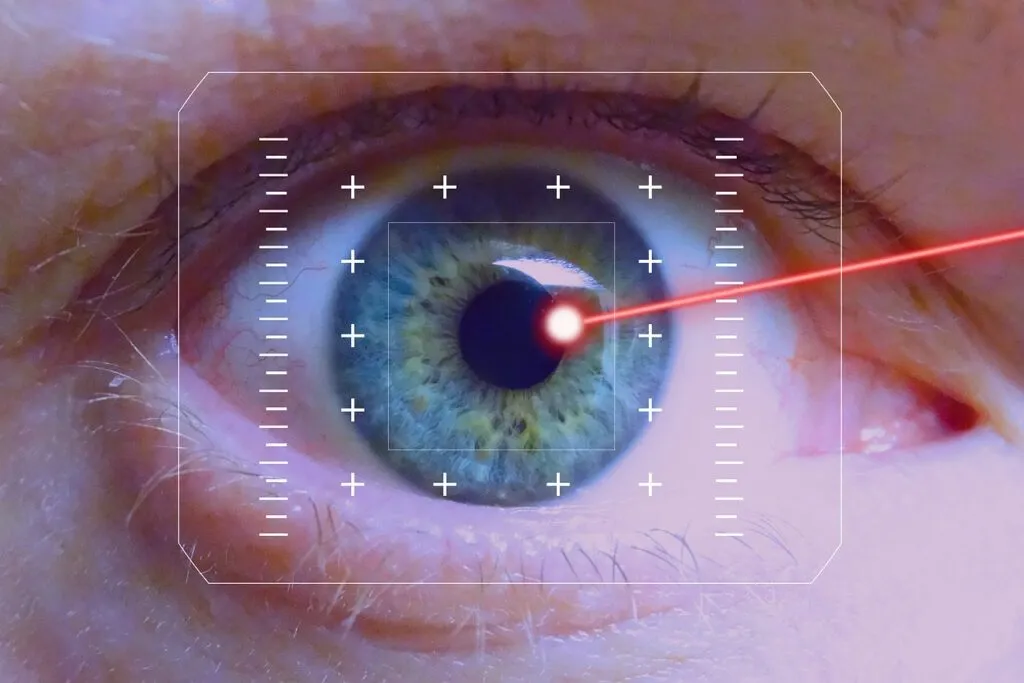

Patients with astigmatism or myopia undergo laser eye surgery to correct their refractive errors. During the procedure, the ophthalmologist uses advanced imaging and laser systems to map the eye and deliver precise corrections tailored to each patient’s prescription. These technologies enable the surgeon to accurately reshape the cornea, enhancing visual clarity and reducing reliance on glasses or contact lenses. Here are some of the roles of technology in modern laser eye surgery:
Advanced Mapping Systems
During laser eye surgery, detailed corneal mapping records the precise curvature and elevation of the cornea, capturing subtle rises and dips that can affect treatment. This information highlights irregular areas before any reshaping occurs, allowing surgeons to plan laser placement based on each patient’s unique corneal anatomy. The mapping process takes place in a controlled clinical setting, giving the surgeon accurate measurements to guide the procedure and support optimal outcomes.
By reviewing depth profiles and thickness variations, the surgeon can make adjustments that reduce the margin for error during treatment. This approach supports that laser application aligns precisely with the patient’s corneal structure, promoting predictable, consistent results. Every adjustment is informed by the patient’s own anatomy, providing a foundation for safer and more effective vision correction.
Improved Laser Platforms
As you prepare for surgery, the system uses the corneal measurements from your assessment to guide energy delivery. The laser targets only the mapped areas, allowing the surgeon to reshape tissue according to your specific refractive pattern. Each step is performed with settings calibrated to your corneal scan, helping minimize unnecessary tissue removal and supporting precise adjustments.
The system continuously verifies alignment during laser surgery, maintaining precision even as your eye makes small, natural movements. Its tracking features adjust pulse placement in real time to keep corrections within the intended treatment zone. The laser manages depth, spacing, and sequencing based on your measured corneal structure, supporting consistent results. This technology allows controlled adjustments tailored to your specific refractive error, rather than relying on general correction estimates.
Customized Treatment Planning
During laser surgery, your surgeon uses advanced imaging technology to obtain precise measurements of your cornea, including thickness and curvature. These measurements are processed by specialized software to create a treatment plan tailored to your eye’s unique anatomy, identifying specific zones for laser adjustments. The plan outlines depth, tissue limits, and correction boundaries to guide the laser, supporting that each pulse targets the intended areas while preserving surrounding tissue.
This digital workflow supports predictable results by integrating your personalized measurements into every stage of the procedure. The software translates corneal data into actionable guidance, helping your surgeon determine the safest sequence of laser movements. Each adjustment is informed by the patient’s anatomy rather than generalized correction estimates, which can improve accuracy and efficiency.
Advanced Tracking Systems
Real-time eye tracking during eye surgery continuously monitors the position of your eye, supporting the laser’s alignment with the pre-mapped treatment plan. The system detects small, natural eye movements and adjusts the laser pulses accordingly to maintain precise placement. This technology keeps the laser focused on targeted areas throughout the procedure. By tracking the eye in real time, the platform helps maintain accuracy and supports consistent results based on your individual measurements.
Enhanced Surgical Safety
Visiting an eye doctor for eye surgery follows safety protocols based on preoperative imaging. The system monitors pulse strength, energy distribution, and limits before the laser begins treatment. Corrections are delivered within defined zones according to individual measurements, supporting precision during each step. This verification process confirms that every laser pulse aligns with the corneal anatomy and planned treatment parameters.
Seeking Professional Laser Eye Surgery
Receiving laser eye surgery in a professional facility allows your treatment to be guided by precise measurements of your eyes. A trained team uses advanced diagnostic tools to evaluate how your refractive condition impacts your cornea before planning the procedure. This approach helps support that each step aligns with your individual measurements. Schedule your consultation today to find out if laser eye surgery is the right option for your vision.