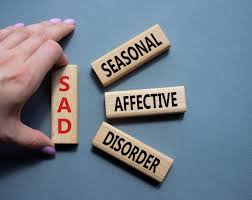

Seasonal affective disorder (SAD) is a recurring pattern of depression linked to certain times of the year. In many cases, this pattern begins as daylight hours decrease during the fall and winter, but it may also appear during the spring or summer months. SAD is a recognized cycle that often disrupts energy levels and daily activities. Gaining a fundamental understanding of how this condition works and how it appears in everyday routines is a helpful approach for managing its impact.
Identifying the Physiological Mechanisms
While the exact cause of SAD isn’t consistently clear, research highlights several biological factors that likely play a role. The key trigger appears to be the reduction in sunlight exposure during the winter months. This decrease in sunlight may disrupt the body’s internal clock, also known as the circadian rhythm. The circadian rhythm guides sleep-wake cycles, and when something throws it off balance, sleep patterns and alertness sometimes shift.
Another potential factor involves serotonin; this is a neurotransmitter that affects various bodily functions. Reduced sunlight may trigger a drop in serotonin levels, which plays a key role in energy and sleep regulation. The body’s production of melatonin is also fundamental to sleep. Winter darkness may prompt an overproduction of melatonin, leading to increased lethargy and a need to sleep more than usual. These physiological shifts create a cascade of physical effects that influence how a person navigates daily routines.
Examining the Daily Impact
The physical symptoms of SAD can result in disruptions to day-to-day routines, and a key impact involves noticeable shifts in energy levels. Persistent fatigue and depression make it hard to get up in the morning or maintain productivity throughout the workday. Regular tasks that usually require little effort, such as finishing chores or preparing breakfast, might suddenly need more exertion and adjustment. Exercising and climbing stairs also become more physically demanding for some individuals. Identifying these observable changes is helpful for determining when a routine adjustment may be in order.
Sleep patterns shift as well. Some people may oversleep and still feel unrested, while others notice periods of restless sleep. Appetite changes are another possible effect. Craving carbohydrates is common, and this triggers weight gain in some people. These changes in diet and energy can form a cycle: physical activity drops, calorie intake increases, and overall physical well-being faces additional challenges.
Social interactions and professional performance are also exposed to changes. The lethargy linked to SAD may prompt withdrawal from social engagements or hobbies that once played a key role in daily life. In a professional environment, concentration difficulties and lower energy sometimes lead to reduced efficiency or challenges with meeting deadlines.
Utilizing Light Therapy and Environment
Light therapy, or phototherapy, is a key approach for managing SAD. This method uses a specialized device that emits a bright light, and this light is similar to natural outdoor light. The treatment can be helpful for resetting the circadian rhythm and reducing excess melatonin production.
Adjusting the physical environment is also helpful. Aim to maximize your exposure to natural daylight every day. Try opening blinds and curtains widely, or contemplate setting up your workspace near a window to take in more sunlight. Spending time outdoors, regardless of whether the sky is sunny or overcast, is a key strategy for boosting your daily light intake.
Explore Professional Treatments for Depression
Seasonal affective disorder is a form of depression that leads to fatigue, anxiety, and sleep issues. Specialists create tailored treatment plans for this condition; these may involve a range of methods, from light therapy and vitamin D supplements to ketamine therapy and medication management. If you’re experiencing seasonal symptoms of depression, contact a mental health specialist today.