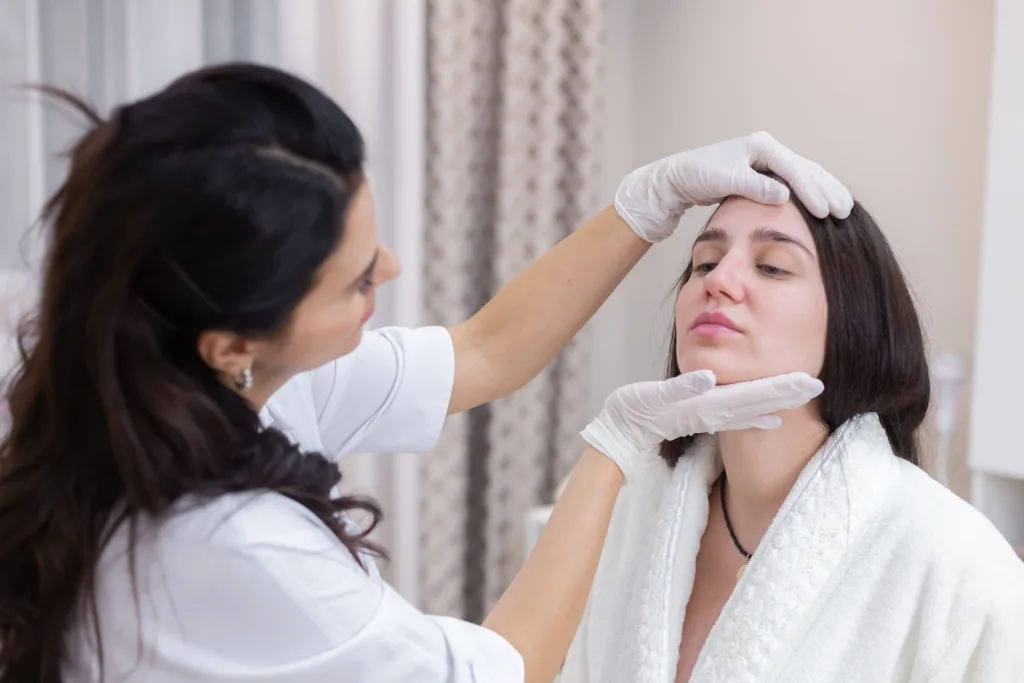

Dermatologists are medical doctors who specialize in conditions involving the skin, hair, and nails. These specialists diagnose and treat many conditions, including acne, eczema, and complex diseases. Preparing for your first appointment can help the dermatologist create an effective treatment plan for your specific needs. Proper preparation facilitates a productive discussion and helps you make the most of your time with the specialist. Here are some ways to prepare for your first dermatologist appointment:
Prepare Your Medical History Information
Before your first visit, it is fundamental to gather all relevant medical history information. Your dermatologist will need a complete picture of your health to diagnose any skin conditions accurately. This includes a list of current and past medical conditions, such as diabetes or high blood pressure, as these may affect your skin.
You should also compile a detailed list of all medications, with dosages, you are currently taking, including:
- Prescriptions
- Over-the-counter Drugs
- Supplements
Information about allergies, whether to medications or environmental factors, is also key for the dermatologist to know. If other members of your family have a history of skin conditions, such as skin cancer or psoriasis, this information can be valuable for assessing your own risk factors.
Document Your Skin Concerns
A key part of your visit will be discussing the specific issues that led you to schedule an appointment. Being able to clearly articulate your concerns will help the dermatologist understand what you are experiencing. If you have specific spots you are worried about, take photos of them to track their appearance over time.
How Can You Identify Skin Concerns?
To identify your skin concerns, take some time to examine your skin before the appointment. Note any new or changing moles, growths, or patches of discoloration, and look out for any rashes. Some skin conditions may have accompanying symptoms like:
- Itchiness
- Pain
- Dryness
- Hives
Make note of the timeline of your symptoms, and ask yourself: when did the symptoms start, have they changed, and does anything seem to make them better or worse? This detailed self-assessment provides information for your dermatologist’s evaluation.
What Can Dermatologists Treat?
Dermatologists are equipped to treat a wide array of conditions, from common inflammatory conditions, like acne or psoriasis, to skin infections caused by bacteria, viruses, or fungi. These doctors are central to the detection and treatment of skin cancer, which is the most common form of cancer. Other areas of dermatological care include nail disorders, hair loss, and cosmetic concerns, such as wrinkles or scars.
Write Down Your Questions
Your first appointment is an opportunity to get expert answers to your questions, so it may be beneficial to write them down beforehand to make sure you don’t forget anything. You might want to ask about the potential diagnosis, different treatment options, or the side effects of any proposed medications. Other questions could focus on preventive care. You can ask for guidance on sunscreen use or what type of skincare routine may be right for your skin type. Having a list helps organize your concerns and prepare for your appointment.
Schedule a Consultation With a Dermatologist
Preparing for your first dermatology visit can help streamline the appointment process and address your concerns. By gathering your medical history, identifying skin concerns, and writing down questions, you can partner with your dermatologist to protect and improve your skin’s health. When you have concerns about your skin, hair, or nails, contact a dermatologist for a consultation.