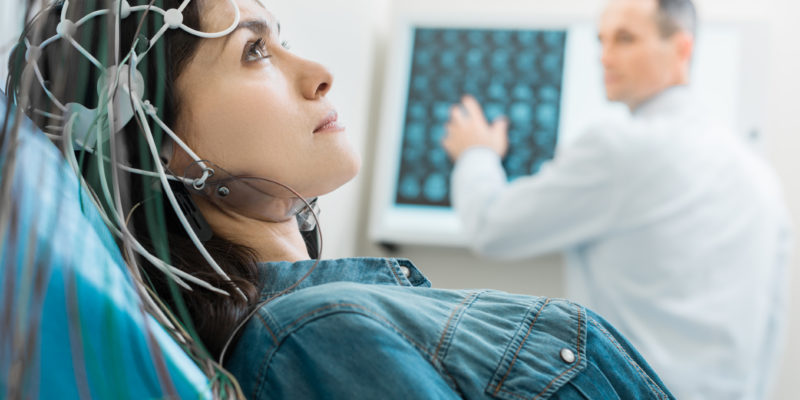

Seizure disorders require careful evaluation to understand their underlying cause and guide effective management. Neuroradiology plays a fundamental role in this process by providing detailed imaging of the brain and nervous system. This diagnostic radiology helps clinicians identify structural abnormalities, lesions, or other neurological factors that may contribute to seizure activity.
Understanding Seizures
Seizures manifest in various ways and often indicate an underlying disruption of the brain’s normal activity. Some people experience shaking or loss of consciousness, while others may have only a brief lapse in awareness. Identifying the type of seizure is helpful, but it does not always explain why it is happening. Doctors must determine whether the cause is structural, metabolic, or genetic. Neuroradiology is significant because it visualizes structural changes in brain tissue. If a doctor can see the physical defect, they can tailor a treatment plan to address it directly.
Exploring Neuroradiology
Neuroradiology is a specialized branch of diagnostic radiology that focuses on the brain, spine, and nervous system. It uses high-tech equipment to create detailed pictures of the body’s internal structures. Radiologists who specialize in this field undergo extra training to interpret these complex images accurately. They work closely with neurologists to make sure diagnoses are accurate.
The process typically involves machines such as magnetic resonance imaging (MRI) or Computed Tomography (CT) scanners. Both methods are noninvasive, meaning they do not require surgery to visualize the body’s internal structure. The radiologist selects the most appropriate tool to get the clearest picture possible.
Guiding Diagnosis and Treatment
This medical specialty is fundamental to moving a patient from uncertainty to a clear diagnosis. Here are specific ways neuroradiology directs diagnosis and treatment:
- Detecting Tumors and Lesions: Imaging scans can reveal masses or abnormal tissue growth that may compress sensitive brain regions and cause seizures.
- Identifying Vascular Issues: Imaging helps find problems with blood vessels, such as strokes or bleeds, which often disrupt electrical signals.
- Spotting Congenital Malformations: Doctors can determine whether the brain did not form correctly during development.
- Guiding Surgical Intervention: If a specific area is identified as the seizure focus, surgeons use these images to plan precise operations.
These insights enable doctors to determine the best course of action, whether it involves medication or surgery.
Managing Long-Term Care
Managing a seizure disorder is often a long-term process that requires regular monitoring. Neuroradiology continues to provide value throughout the patient’s entire care journey. Here’s how it supports ongoing care:
- Monitoring Treatment Response: Follow-up scans indicate whether a tumor is shrinking or a lesion is healing after therapy.
- Checking for Progression: Regular imaging makes sure that a condition is not worsening or spreading to other areas.
- Evaluating Surgical Success: Post-operative scans confirm that a procedure achieved its goal and that the brain is healing properly.
- Adjusting Medication Plans: Changes in brain structure may indicate that a physician should switch medications or adjust dosages.
Doctors rely on these updates to make informed decisions and anticipate potential complications before they become severe emergencies.
Schedule Your Radiology Appointment Today
Neuroradiology is a fundamental tool for identifying the root causes of seizures and managing them effectively. It provides the visual evidence needed to diagnose tumors, vascular issues, and other abnormalities. Patients who undergo these exams gain a clearer understanding of their condition and their treatment options. Contact a neuroradiology specialist near you to schedule your appointment today.