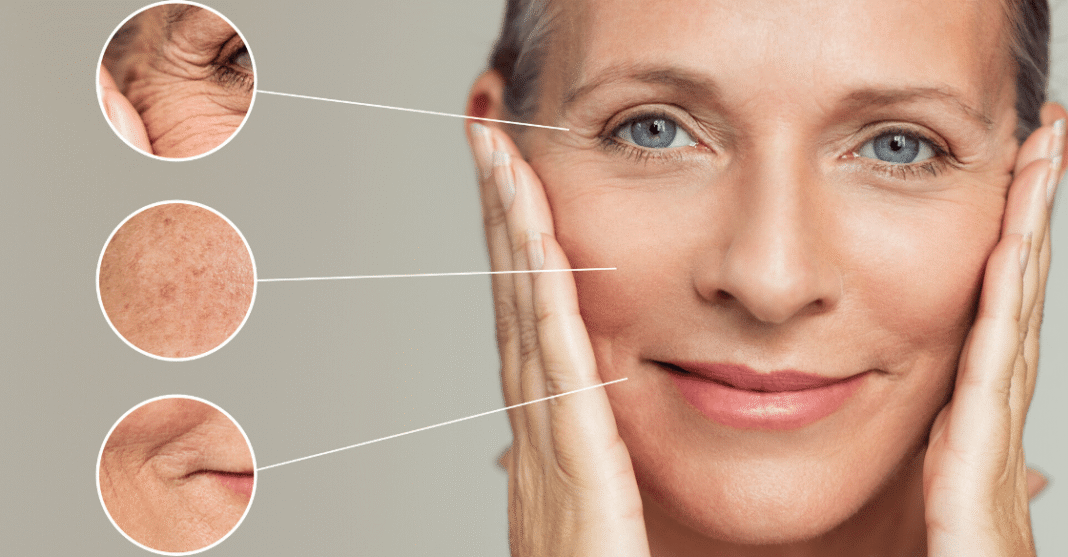

Dermatology is dedicated to diagnosing, treating, and managing conditions of the skin, hair, and nails. Dermatologists examine how different skin types and conditions interact with environmental factors and lifestyle habits; this enables them to provide detailed skin care recommendations. Here are some ways dermatology impacts skin care:
Customized Regimens
Everyone’s skin has unique features that impact how it responds to products and treatments. A dermatologist starts by identifying your skin type, whether you experience oiliness throughout the day, dryness in certain areas, or issues such as redness and sensitivity. They examine visible symptoms and ask questions about your medical history and ongoing concerns. Some individuals have underlying skin conditions, such as acne, rosacea, eczema, or psoriasis, and these impact the approach to care.
A dermatologist can create a skin care regimen tailored to your needs. Someone with acne-prone skin may get recommendations for non-comedogenic moisturizers and gentle cleansers that do not strip the skin of its natural oils. If you experience dryness and flaking, your regimen may include emollients and ointments that support hydration. By following a plan designed specifically for your skin, you have guidance on which products fit your goals and how to introduce them into your daily life. These regimens are also adaptable; dermatologists will adjust recommendations as your needs change due to environment, age, or health.
Preventive Care and Early Detection
Routine skin checks in a clinical setting provide monitoring for changes that may signal the early stages of a problem. During an appointment, the dermatologist will assess existing moles, spots, or patches and record their size, color, and shape. This makes it possible to detect issues such as actinic keratosis, irregular moles, or areas of unusual pigmentation early. Skin cancer is one condition where early detection makes a meaningful difference. By performing professional skin exams, dermatologists notice changes that you might overlook, such as new growths or changes in existing spots. They can use dermoscopy or other tools for a detailed assessment. Your dermatologist will also discuss habits like using broad-spectrum sunscreen, wearing protective clothing, and monitoring your skin at home.
Professional Procedures
Dermatology clinics have access to procedures that address specific needs while offering oversight and support. Some options include:
- Microdermabrasion: A non-invasive procedure that exfoliates and removes the outer layer of dead skin cells to improve texture and tone.
- Laser treatments: Advanced technology that uses focused light to address issues like wrinkles, scars, and pigmentation.
- Light therapy: A non-invasive treatment that uses specific wavelengths of light to treat acne, inflammation, or other skin concerns.
- Mohs surgery: A surgical technique used to treat skin cancer by removing thin layers of skin and examining them until no cancerous cells remain.
- Excision or cryotherapy: Excision involves surgically removing abnormal tissues, while cryotherapy uses extreme cold to freeze and destroy them.
Visit a Dermatology Clinic
Dermatology clinics provide personalized plans, ongoing support, and professional treatments that are designed to align with your skin’s unique needs. A dermatologist supports your current concerns and your understanding of how to respond as your skin changes. Schedule a consultation with a dermatologist today to learn more about personalized skin care.