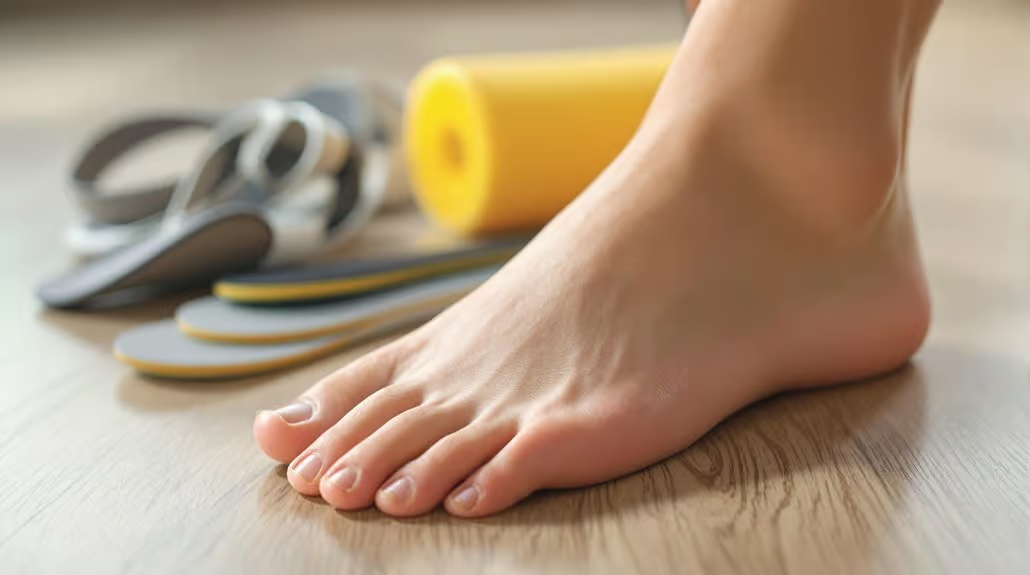

Flat feet, or pes planus, are a structural deformity where the longitudinal arch collapses, causing the sole to contact the ground completely. This condition alters leg alignment, and it may lead to discomfort in the ankles, knees, or hips. Understanding the biomechanics of the foot helps patients recognize why stability is compromised during standing or walking. Here is more information on the primary causes, symptoms, and practical strategies for effective management:
What Are Flat Feet?
The arches of the foot typically function as a shock absorber, but in flat feet, this mechanism is compromised or absent. Some individuals with this condition experience strain on their ligaments and muscles. When the arch collapses, the foot tends to roll inward, a movement known as overpronation. Flexible flat feet are visible only when standing, whereas rigid flat feet remain flat even when the foot is unweighted.
What Causes Them?
Many cases arise during childhood development, for the arches may never fully form during growth. Aging or repetitive wear and tear can weaken the posterior tibial tendon, and this degeneration eventually causes the arch to fall in adulthood. Injuries to the foot or ankle also disrupt the structural integrity of the arch mechanism.
What Are the Symptoms?
Some individuals with flat feet report no pain, while others experience fatigue or aching in the arch or heel area. Patients may notice that the bottom of their shoes wears down unevenly, specifically on the inner side. Stiffness in the feet or difficulty standing on tiptoes can indicate a progression of the condition. Recognizing these signs early allows for professional intervention, and it helps prevent further complications with alignment or mobility.
What Are Effective Management Strategies?
Selecting appropriate footwear helps manage flat feet effectively. Shoes with a firm heel counter and adequate arch support stabilize the foot, and they prevent excessive inward rolling while walking. Avoid footwear with flat soles or minimal support, as these shoes may exacerbate overpronation symptoms.
Orthotic inserts are medical devices designed to realign the foot and support the fallen arch. Over-the-counter options offer general relief, but custom-molded orthotics provide specific correction based on an individual’s foot anatomy. Targeted exercises strengthen the intrinsic muscles of the foot and improve overall stability. These exercises include:
- Heel raises: These help build strength in the posterior tibial tendon and the calf muscles.
- Toe curls: Picking up marbles or towels with the toes engages the small muscles that support the arch.
- Calf stretches: These alleviate tightness in the Achilles tendon.
How Is Professional Guidance Beneficial?
Podiatrists provide comprehensive evaluations to determine the severity of the condition. They may recommend physical therapy, which focuses on strengthening specific muscle groups. A professional assessment verifies that the treatment plan targets the root cause rather than just alleviating surface symptoms. Diagnostic imaging may be utilized, and these images help the doctor visualize the bone structure and tendon health.
In cases of persistent pain, medical professionals may recommend bracing or taping techniques. These methods provide external support to the foot and ankle, and they limit motion to allow inflamed tissues to heal. Non-steroidal anti-inflammatory medications are sometimes prescribed to manage acute pain and reduce swelling in the affected area. Corticosteroid injections are another option for severe inflammation.
Seek Podiatric Guidance Today
Managing flat feet requires a combination of proper footwear, strengthening exercises, and professional support. Early intervention helps prevent long-term complications, so patients benefit from consulting a specialist if they experience persistent pain. By addressing the condition proactively, individuals can maintain mobility and reduce discomfort in their daily lives.