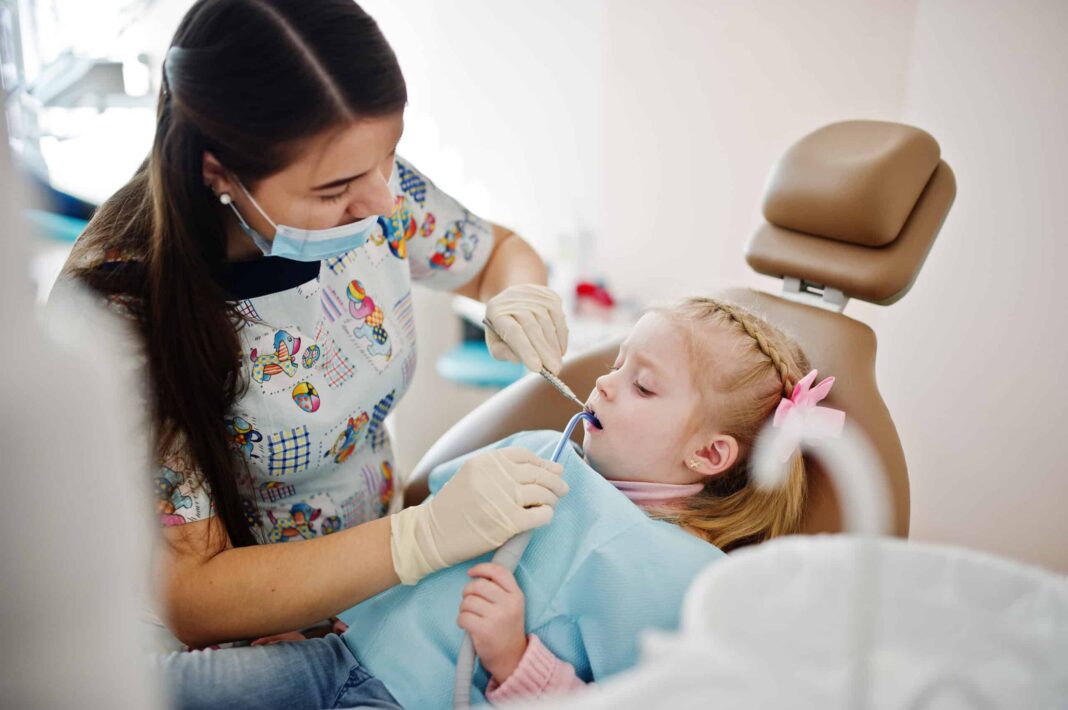

Establishing strong oral hygiene routines early in life can reduce the risk of preventable problems such as cavities and gum inflammation. Family dental care plays a significant role in this process by helping parents understand age-appropriate habits and set consistent routines at home. Here is how family dentistry supports the development of healthy dental care habits:
Incorporating Daily Routines
Establishing a predictable schedule helps children understand what to expect each day. A consistent routine minimizes resistance and makes oral hygiene a normal part of the day, but it requires effort. Parents should oversee the process until children have the dexterity to do it alone. The following steps provide a framework for a solid daily regimen.
- Brush teeth twice a day for two minutes each time.
- Floss daily to remove food particles between teeth.
- Use fluoride toothpaste to strengthen tooth enamel.
- Replace toothbrushes every three to four months.
- Brush the tongue to remove bacteria and freshen breath.
These steps form the core of effective family dental care practices at home.
Choosing Tooth-Friendly Foods
Nutrition plays a fundamental role in the strength and health of teeth and gums. Sugar feeds bacteria in the mouth, which produce acid that attacks tooth enamel. Limiting sugary snacks and beverages significantly reduces the risk of tooth decay. Frequent snacking keeps mouth acid levels high, preventing saliva from neutralizing the environment.
Drinking water throughout the day helps wash away food particles and bacteria, strengthening teeth and preventing cavities. It also promotes saliva production, which is the mouth’s natural defense against acid. Parents should encourage children to rinse their mouths with water after eating if brushing is not immediately possible.
Scheduling Regular Visits
Regular professional checkups are key to maintaining oral health alongside home care. Visiting a dentist allows for early detection of potential issues; appointments generally include oral exams, X-rays, and professional cleaning. Exposing children to the dental office environment early helps desensitize them to the sights and sounds. A positive experience at the dentist builds trust and prevents future dental fear. Parents should explain the purpose of the visit in simple and positive terms and avoid using words that may cause fear or hesitation before the appointment.
Making Care Fun
Turning oral hygiene into an engaging activity encourages young children to participate. Motivation often increases when the process appears like a game rather than a chore; parents should try various creative approaches. The following ideas can make daily care more enjoyable:
- Play a favorite song that lasts for two minutes while brushing.
- Use a sticker chart to track successful brushing sessions.
- Let children choose their own toothbrush and toothpaste flavors.
- Brush together as a family to model good behavior.
- Read books or watch videos about characters who brush their teeth.
These adjustments make family dental care a positive experience for everyone involved.
Schedule Your Family Dental Care Appointment
Building healthy habits takes time and consistency, but the long-term benefits are substantial. Proper nutrition, daily hygiene, and positive reinforcement create a substantial defense against oral diseases. Contact a qualified dentist near you to schedule your family dentistry appointment today.