
A skin allergy can cause discomfort, irritation, and inflammation that affect daily activities and overall quality of life. Common triggers include environmental allergens, certain foods, medications, and skincare products. Understanding effective remedies for managing a skin allergy helps reduce symptoms, prevent flare-ups, and support healthier skin. Below are five proven remedies for safely and effectively managing skin allergies.
Identifying Skin Allergy Triggers
The best way to handle a skin allergy is to prevent it. Many people unknowingly expose themselves to daily irritants. Their skin then pays the price with redness and swelling. Common culprits include nickel in jewelry, latex, and certain fragrances. You must become a detective in your own environment to find what causes your flare-ups.
Keeping a skin diary is a great way to track your symptoms. Record what you eat, the products you use, and where you go when a reaction occurs. If you notice a rash after wearing a certain watch, you might have a metal allergy. Once you identify a trigger, avoidance is the best defense against future discomfort.
Using Gentle Skincare Products
Your skin barrier is your first line of defense, but allergic reactions can weaken it. Harsh soaps and scented lotions strip natural oils, worsening irritation. Switch to products labeled “hypoallergenic,” “fragrance-free,” and “non-comedogenic” to repair the barrier. A gentle skincare routine should reduce episodes of allergic dermatitis.
- Ceramides: These lipids help restore the skin barrier and retain moisture.
- Hyaluronic Acid: This ingredient attracts water to the skin without irritating it.
- Colloidal Oatmeal: A natural ingredient known to soothe itching and inflammation.
- Petrolatum: It creates a strong barrier that protects the skin from external irritants.
Applying Topical Symptom Treatments
When a rash appears despite prevention, topical treatments quickly reduce inflammation. Over-the-counter hydrocortisone creams are effective because they suppress the immune response in the affected area. Apply these creams directly on red, itchy patches to soothe the skin and decrease swelling.
Calamine lotion is a classic remedy that cools the skin and dries out weeping rashes, like those from poison ivy. Antihistamine creams may help, but oral antihistamines often work better at relieving itching. If you’re unsure which product is suitable for your skin allergy, consulting a pharmacist is always a good idea.
Trying Natural Home Remedies
If you prefer natural options, several home remedies do offer relief. Cold compresses are very effective for itching. They numb the area and reduce swelling. Wrap an ice pack in a towel and apply it for ten to fifteen minutes. This gives immediate but temporary relief from the burning sensation. Baths with colloidal oatmeal or baking soda can also soothe skin.
- Cold Compresses: Numb the skin and reduce acute inflammation.
- Oatmeal Baths: Soothe large areas of irritated skin and relieve itching.
- Aloe Vera: Provides a cooling effect and hydrates the skin.
- Baking Soda Paste: Helps dry out rashes and neutralize itching.
Seeking Skin Allergy Treatment
If home remedies and over-the-counter products don’t help, it’s time to seek professional help. You should see a specialist if your symptoms last longer than a week. Also, seek help if they disrupt your sleep or daily life. Specialists can diagnose the cause of your skin issues as they provide expert care for complex allergic conditions.
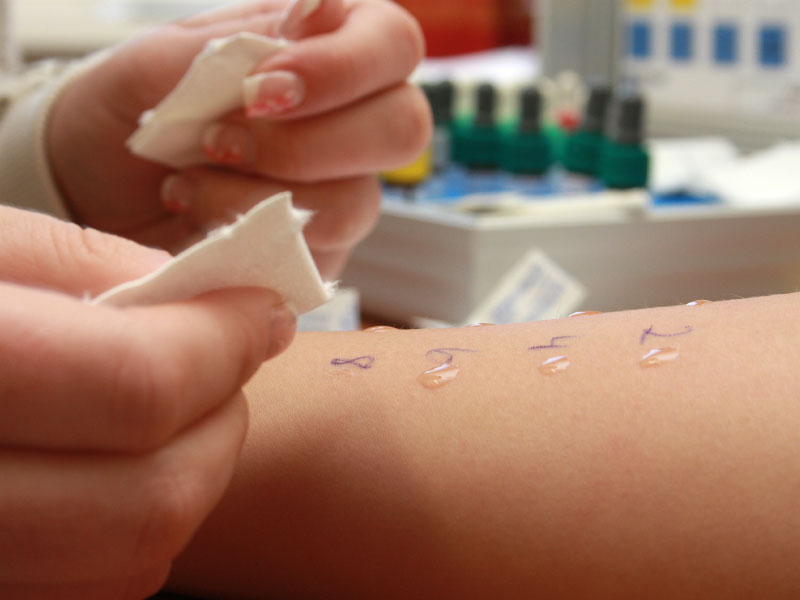
Medical professionals will perform advanced allergy testing to find specific allergens. They might recommend prescription ointments or oral corticosteroids based on the results. For severe cases, they may suggest biologics. A long-term plan could include immunotherapy, like allergy shots.
Book Your Consultation Today
Managing skin allergies requires patience, observation, and the right combination of treatments. Identifying your triggers, using gentle products, and applying appropriate remedies can significantly reduce the impact of allergic skin reactions on your life. But it is wise to consult a specialist if your condition does not improve with self-care. Schedule an appointment with a specialist near you today to begin your assessment and treatment.