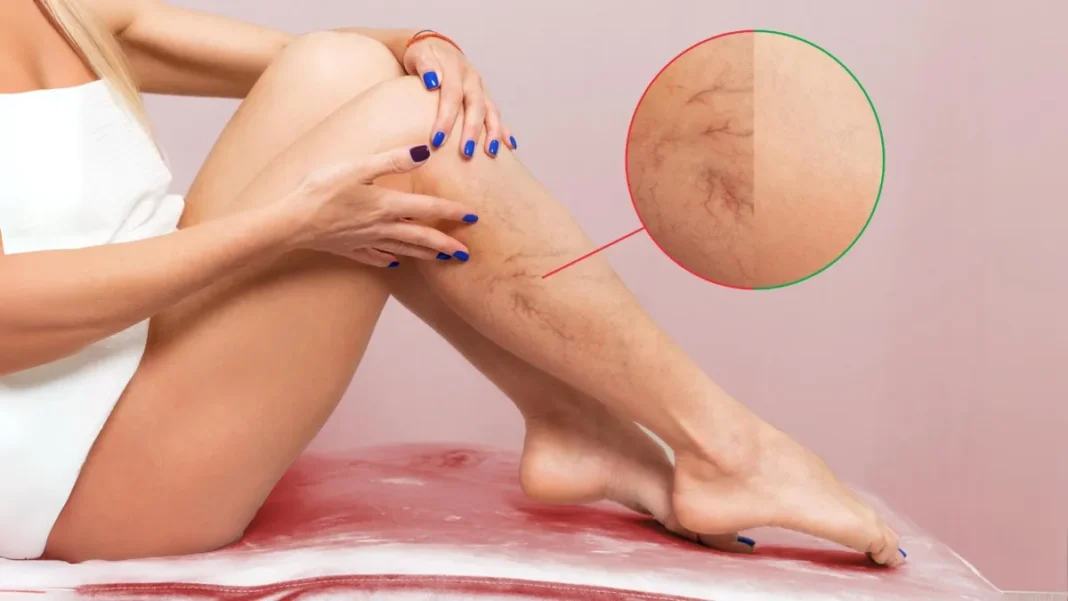

Varicose veins are a common condition that affects many adults. You might hear various stories about why they appear, but misinformation sometimes delays proper care. Since vein valves can fail, blood pools, leading to swelling. Clarify common misunderstandings so you can focus on management strategies that work.
Both Sexes Get Varicose Veins
Many people believe that vein disease is strictly a female issue. This assumption is incorrect, and men can also develop varicose veins as they age. Hormonal changes may impact women more often, yet lifestyle factors affect everyone. Jobs that require prolonged standing or sitting, lack of movement, and obesity raise the risk for both men and women. Men who stand for long periods or have a family history are at risk, and they may delay treatment. Early detection enables faster options, because routine checks may catch symptoms.
Treatment is Not Always Surgery
You may fear that fixing veins requires invasive hospital procedures. Modern medicine has advanced, so treatment is often quick and minimally uncomfortable. Since procedures like VenaSeal use a medical adhesive to close the vein, they require less recovery time. Other options include Non-Thermal Vein Treatment, and patients return to activities immediately. Many treatments happen in the office and do not require a hospital stay, making them accessible to most people. These appointments are short and involve limited downtime, fitting into your schedule with minimal disruption. Current methods focus on comfort and convenience, so you do not need to endure a long, painful recovery process. Consult your provider to learn which modern approach is best for you; early intervention can lead to simpler solutions.
Varicoses are Not Just Cosmetic
Some individuals view these veins as merely a visual annoyance. While the appearance is a concern, untreated veins can cause physical symptoms such as heaviness or swelling. These symptoms become more noticeable when you spend long hours on your feet or when your daily routine changes. Pain occurs when veins are untreated, and this pain can interfere with comfort and mobility. When veins fail, blood flow is compromised, which can lead to skin changes such as dryness or slow-healing sores. Over time, additional complications, such as thrombophlebitis or chronic venous insufficiency, can develop without medical attention.
An in-office ultrasound diagnoses the problem, so your doctor can recommend a medical solution. Regular evaluation and early intervention help you maintain daily activities and support long-term comfort. Treatment options vary because many different choices are available. Minimally invasive procedures, such as sclerotherapy or endovenous laser therapy, target problematic veins with minimal discomfort and downtime. Compression therapy, including compression stockings, is another approach to improve blood flow and reduce symptoms. Your healthcare provider will create an individual treatment plan. Taking proactive steps helps alleviate discomfort and protects your long-term health.
Take The Next Step Today
Your varicose veins need attention, and accurate information allows you to seek help. Treatments are available to address your specific needs because a specialist guides you through the process. Schedule a consultation to discuss your options; taking action now can improve your quality of life. Make an appointment today.