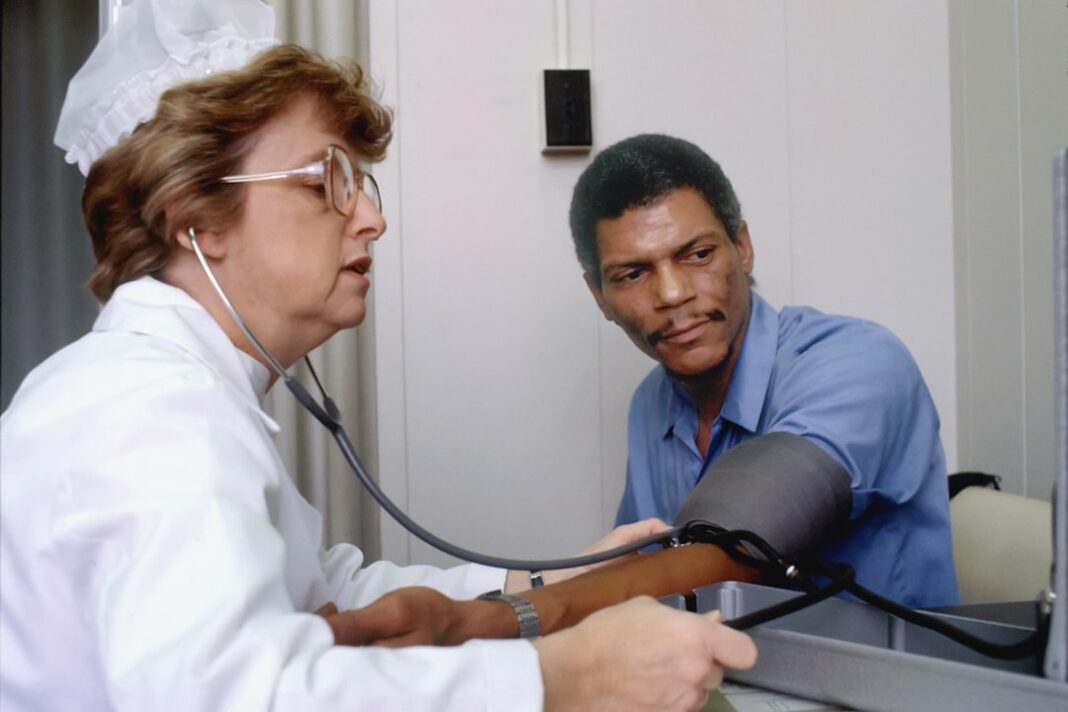

Rare hormonal disorders can be difficult to identify because their symptoms often overlap with common conditions. This often leads to delays in diagnosis or cause incomplete treatment. An endocrinologist evaluates complex hormone-related concerns through a detailed medical history and specialized laboratory and imaging tests. Here’s more information on how an endocrinologist can diagnose rare hormonal disorders:
Exploring the First Visit
The diagnostic process begins with a comprehensive consultation where the physician gathers a detailed medical history. The doctor will ask specific questions about the onset of symptoms, their severity, and triggers that seem to make them worse. They will also review all current medications and supplements, as some external substances can interfere with hormone levels and mimic disease.
After the history taking, the endocrinologist performs a targeted physical examination to look for visible signs of hormonal imbalance. The doctor may check for unusual hair growth patterns, changes in skin pigmentation, or specific fat distribution on the body. They also palpate the thyroid gland in the neck to feel for nodules or enlargement, which are common indicators of dysfunction.
Testing and Timing
Hormones fluctuate throughout the day and in response to different stimuli, so a single blood draw is often insufficient for a diagnosis. The doctor selects tests that account for these natural rhythms to capture an accurate picture of the body’s chemical balance. Here are the key tests endocrinologists often recommend:
- Basal Hormone Levels: These tests measure the amount of a hormone in the blood at a specific time.
- Suppression Tests: The doctor administers a substance that normally lowers hormone production to see if the body responds correctly or if a gland is overactive.
- Stimulation Tests: This involves introducing a trigger that should raise hormone levels, which helps the physician determine if a gland is capable of producing enough hormones.
- 24-Hour Urine Collection: This method measures the total amount of hormones or their byproducts excreted over a full day.
These specialized tests are key to differentiating between a gland that is temporarily stressed and one that is permanently diseased.
Incorporating Imaging
After biochemical testing confirms that a hormone level is abnormal, the next step is to locate the physical source of the problem. Imaging studies allow the endocrinologist to visualize the glands and identify any structural abnormalities. Here are imaging tests doctors may recommend:
- Magnetic Resonance Imaging (MRI): This is used to create detailed images of the pituitary gland in the brain or the adrenal glands to look for tumors.
- Computerized Tomography (CT) Scans: These scans provide cross-sectional images of the body and are helpful for locating tumors in the adrenal glands or pancreas.
- Ultrasound: This technology uses sound waves to produce images of the thyroid and parathyroid glands, helping doctors identify nodules or cysts.
- Nuclear Medicine Scans: In these tests, a small amount of radioactive material is used to see how active a gland is and to pinpoint hyperfunctioning areas.
Visualizing the anatomy is fundamental for planning treatment, especially if surgery is a potential option.
Managing Care
Some hormonal disorders are so uncommon that standard blood tests and imaging are not enough to confirm a diagnosis. In these cases, the physician may contemplate genetic testing to look for specific DNA mutations associated with rare syndromes. Conditions like Multiple Endocrine Neoplasia (MEN) involve tumors in several glands and require genetic confirmation to manage the patient’s long-term risk. Identifying a genetic cause is also key for counseling family members who may also be at risk.
Visit an Endocrinologist Today
Diagnosing a rare hormonal disorder is a rigorous process that moves from clinical observation to biochemical testing and advanced imaging. It requires the specialized knowledge of an endocrinologist to navigate the complexities of the human endocrine system. If you suspect you have an undiagnosed hormonal issue, contact a qualified endocrinologist near you to schedule your appointment today.