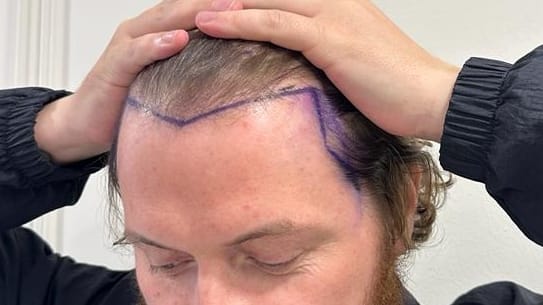

Hair loss affects many individuals, but effective treatments are available. Understanding the causes of hair loss helps individuals experiencing it find solutions to improve their overall quality of life. Here is more information about hair loss, its common causes, and how hair restoration procedures can help:
What Is Hair Loss?
Hair loss, medically known as alopecia, is the thinning of hair on the scalp or body occurring in both men and women. It can be a gradual process or happen suddenly, depending on the underlying cause. Hair loss can affect just your scalp or your entire body, and it may be temporary or permanent.
While some shedding is a normal part of the hair growth cycle, excessive hair loss may lead to noticeable thinning or bald spots. This condition affects appearance, so solutions such as hair restoration can benefit an individual’s overall quality of life. Understanding the specific type and pattern of hair loss is part of determining the appropriate course of action.
What Causes It?
A variety of factors can contribute to hair loss, and heredity is the most common cause. This condition, known as androgenetic alopecia, is responsible for male-pattern baldness and female-pattern baldness. Hormonal changes due to pregnancy, childbirth, menopause, and thyroid problems may also cause temporary or permanent hair loss.
What Is Hair Restoration?
Hair restoration refers to medical procedures designed to treat hair loss, and they aim to restore a fuller head of hair. These treatments are typically surgical and involve moving hair from one part of the scalp to another. Follicular unit extraction (FUE) is a method that harvests individual hair follicles from a donor area, usually the back or sides of the head. These follicles are transplanted to the balding areas of the scalp to create a natural-looking result.
What Does It Involve?
The process begins with a consultation, during which the surgeon assesses your hair loss and discusses your goals. During the procedure, the donor area is trimmed and numbed with local anesthesia, and the surgeon then extracts individual follicular units using a specialized tool. The extraction process is meticulous to preserve each follicle’s health.
After the follicles are harvested, the surgeon creates tiny incisions in the recipient area of the scalp. The harvested follicles are carefully placed into these incisions, and the placement is designed to mimic the natural growth pattern of your hair. The procedure can take several hours, but patients can typically return home the same day.
What Are the Benefits?
Hair restoration offers several benefits, including achieving a natural, permanent result. Since the transplanted hair is your own, it will grow just like your normal hair, and you can cut, style, and wash it as you usually would. This may lead to a significant improvement in appearance.
Another benefit of modern techniques like FUE is the minimal scarring, as the procedure involves small, individual extractions rather than a large strip of scalp. Recovery time is also minimal, and patients can resume their normal activities within a few days. The restored hairline may look natural. This leads to results that are often undetectable.
Restore Your Hair Now
Hair loss is a common condition with various causes, but effective treatments are available to address it. Hair restoration offers a lasting solution for those seeking to regain a fuller head of hair. If you are experiencing hair loss and are evaluating your options, speak with a specialist. They will help you understand the procedure and determine if it is the right choice for you.