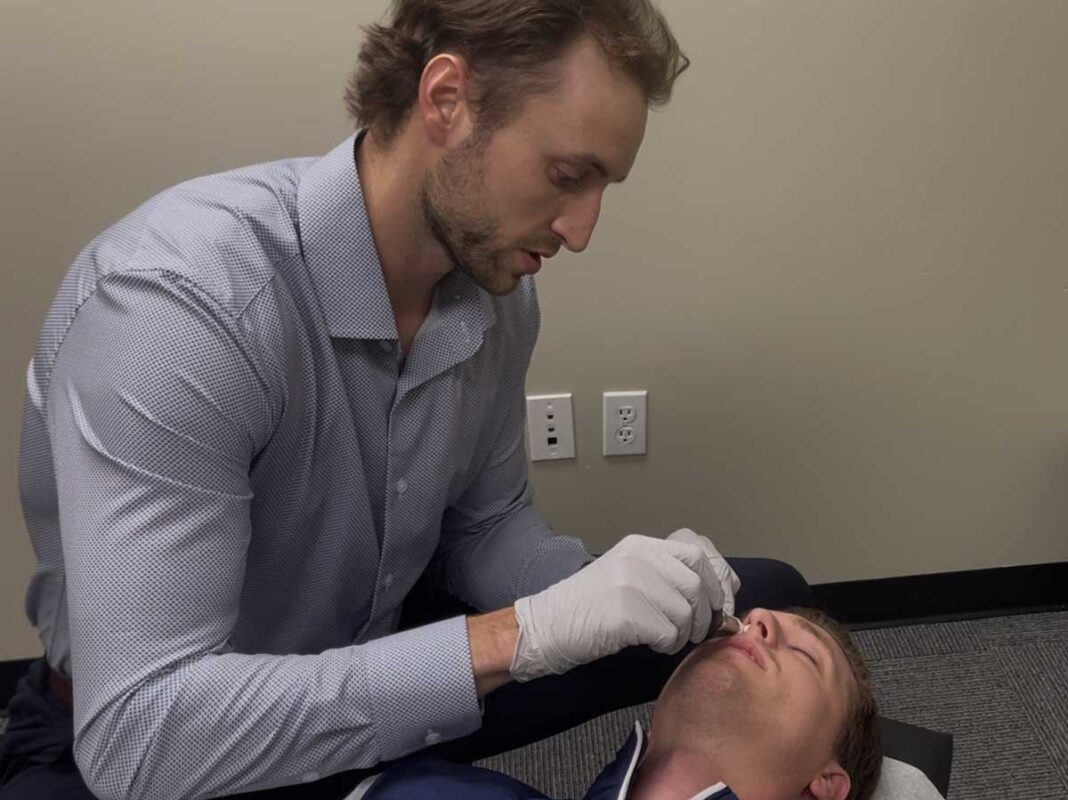

Sinusitis is a common condition that significantly affects breathing, sleep quality, and overall well-being when left untreated. In many cases, underlying conditions, such as nasal polyps, contribute to persistent inflammation and recurrent symptoms. Here’s a closer look at the role of a sinus and nasal specialist in treating sinusitis:
Tracking Progression
Sinusitis begins when the tissue lining the sinuses becomes swollen or inflamed. This obstructs the natural drainage pathways, causing mucus to accumulate within the sinus cavities. The trapped mucus creates an environment where bacteria, viruses, or fungi can grow easily. A viral infection often triggers this initial swelling, but allergies can also cause significant irritation.
Chronic inflammation increases the permeability of the blood vessels in the nasal lining. This change allows water to accumulate within the cells, resulting in waterlogging of the tissue. Gravity pulls on these heavy tissues over time, and they eventually develop into nasal polyps; soft, non-cancerous formations that often look like peeled grapes or pearls.
Identifying Sinus Conditions
Precise diagnostic tools provide the specialist with a clear view of the internal structures and help determine the severity of the condition. Here are some of them:
- Nasal Endoscopy: The doctor inserts a thin, flexible tube with a light and a camera into the nose. This tool allows the specialist to visually inspect the nasal passages for nasal polyps or signs of infection.
- Sinus CT Imaging: Computerized tomography (CT) scans provide detailed images of the sinus cavities. These images show the extent of inflammation and reveal deep-seated nasal growths.
- Allergy Testing: Allergies frequently contribute to chronic sinusitis and polyp formation. Skin or blood tests identify specific allergens, such as pollen or dust mites, that trigger the immune system.
- Sinus Cultures: The physician may obtain a mucus sample from the nose or sinuses. The lab analyzes this culture to identify the specific bacteria or fungi causing the infection.
These diagnostic results guide the specialist in creating a tailored treatment plan.
Treating Sinus and Polyps
Treatment strategies focus on reducing inflammation, eliminating infection, and shrinking or removing physical obstructions. The specialist will usually begin with medical management before recommending surgical options.
- Inhaled Nasal Steroids: These sprays reduce local inflammation and are often the preferred treatment for shrinking small nasal polyps.
- Oral Corticosteroids: These pills provide a stronger systemic effect to reduce swelling rapidly, but doctors limit their use because they can cause serious side effects over time.
- Antifungal Medications: If an immune response to fungi causes inflammation, these medications help clear fungal debris.
- Allergy Shots (Immunotherapy): The goal of this treatment is to train the immune system to tolerate triggers, thereby reducing the inflammation that leads to nasal growths.
- Surgery: If medical treatments fail to resolve the issue, the specialist may recommend surgery.
If the underlying cause of the polyps is not addressed, the polyps frequently return.
Managing Long-Term Health
Managing chronic sinusitis is often a lifelong process rather than a one-time cure. Patients must make sure they adhere to their treatment plans to keep inflammation under control. Controlling allergies is a key component of long-term prevention. Patients who identify their triggers through testing can take steps to avoid them in their daily lives. Allergy shots offer a long-term solution by desensitizing the immune system to these irritants. This reduces the likelihood that the body will react with the chronic inflammation that leads to nasal polyps. If a patient suspects a sinus infection, they should seek medical advice quickly.
Schedule Your Nasal Polyps Consultation
Sinusitis and nasal polyps are complex conditions that require specialized care. A sinus and nasal specialist uses diagnostic tools and treatment options necessary to provide relief by addressing the symptoms and the underlying causes of inflammation. Contact a nasal and sinus specialist near you to schedule your consultation today.