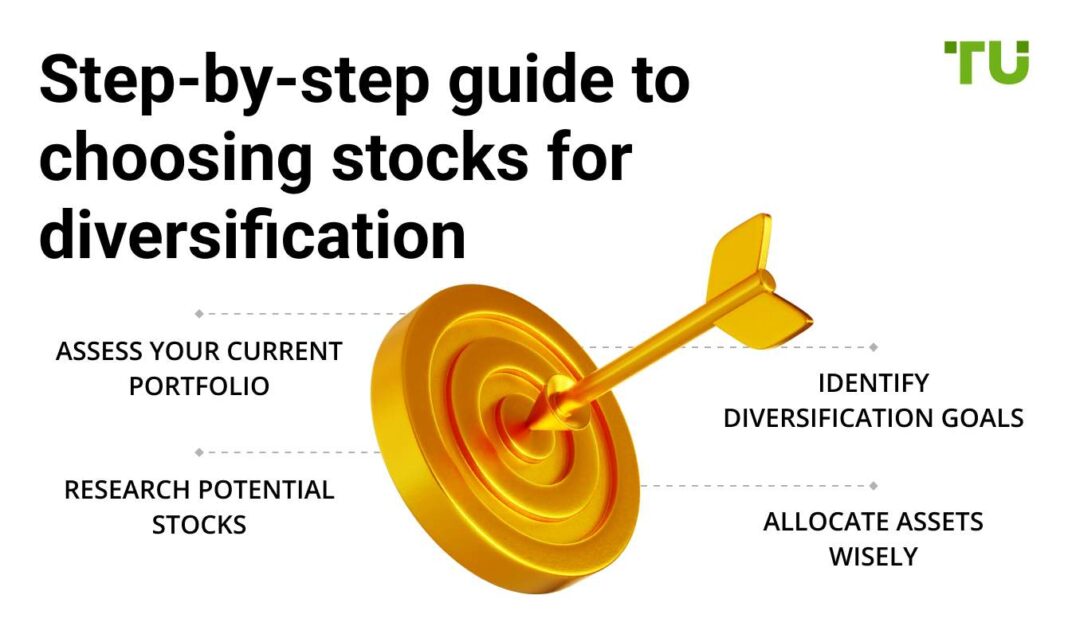

Diversifying investments allows a mix of assets with varying performance over time. A cryptocurrency IRA permits holding digital currencies, such as Bitcoin or Ethereum, within a self-directed retirement account. These accounts follow standard IRA rules and provide an alternative asset class alongside traditional stocks and bonds. Here is some more information on the role of cryptocurrency IRA in diversified investment strategy:
Crypto IRAs
Crypto IRAs are retirement accounts that incorporate digital assets to expand portfolio diversification. They follow standard IRA rules and provide tax-advantaged growth potential while encouraging long-term investment strategies that reduce reactive trading. Investors hold Bitcoin, Ethereum, or stablecoins alongside traditional stocks and bonds within the same IRA, blending emerging and established asset classes.
Adding cryptocurrency holdings to broader retirement portfolios helps lower correlation with traditional assets. This reduced correlation supports more stable overall portfolio performance during periods of market uncertainty. Exposure to digital assets introduces investors to emerging technologies with potential influence on global economic trends. Crypto IRAs include options for cold storage wallets or blockchain-based custodial solutions, providing different levels of security and accessibility within retirement accounts.
Taxable Accounts
Taxable accounts supplement Crypto IRAs because they allow more flexible trading without retirement limits. These plans permit penalty-free changes that enhance tactical diversification among markets that are changing. They also facilitate easy access to liquidity without disrupting your long-term cryptocurrency IRA investment commitments.
Investors explore new asset classes without disrupting carefully structured retirement allocations. This separation supports planning by addressing both short- and long-term financial objectives. Taxable accounts allow adjustments through opportunistic trades and periodic rebalancing. Together, these account types provide flexibility while maintaining disciplined long-term strategies, contributing to overall portfolio stability.
Alternative Assets
Precious metals are often included in portfolios as an alternative asset to provide diversification alongside crypto IRAs. Metals tend to behave differently from digital assets, offering a separate performance pattern from cryptocurrencies. Digital assets can experience periods of rapid growth linked to technological adoption, while metals typically respond to economic shifts in other ways. Including assets with distinct performance trends reduces reliance on a single market and contributes to a broader, multi-asset portfolio over time.
Custody Protections
Custodial safeguards play a key role in supporting confidence for investors who include digital assets in retirement accounts. Cold storage is often used to reduce exposure to online access points that attract hacking attempts, which is a common concern for individuals new to crypto-based retirement structures. Some custodial arrangements also involve insurance coverage that addresses risks such as theft, physical damage, or operational failure within the storage system. These layers of protection support a framework designed to preserve asset integrity over time.
Low exposure to operational weaknesses allows investors to focus on the broader structure of their allocation rather than ongoing technological vulnerabilities. Secure storage environments support measured participation in digital assets that once appeared highly uncertain. These protective measures help steady the more volatile areas of a portfolio by reducing non-market risks. Together, these safeguards create a foundation that supports the long-term role of crypto within a diversified retirement strategy.
Trading Tools
Trading tools support consistent diversification within cryptocurrency IRAs by providing straightforward access to asset adjustments that follow long-term allocation goals. Guidance from financial professionals helps clarify asset selection and the proportion of digital positions within a broader retirement structure. Lower transaction-related expenses reduce friction during periodic rebalancing and routine diversification activity. Integrated dashboards improve visibility into account holdings and support steady risk management as market conditions shift. Together, these features contribute to maintaining an organized and thoughtfully structured crypto allocation.
Invest in a Cryptocurrency IRA
Cryptocurrency IRAs permit holding digital assets under the same tax-advantaged framework as traditional IRAs. These accounts allow investors to include cryptocurrencies alongside conventional assets in a retirement portfolio. Investors have the option to combine crypto with other asset types to pursue diversification beyond just stocks or bonds. Explore opening a Crypto IRA today to examine if integrating digital assets fits your retirement strategy.