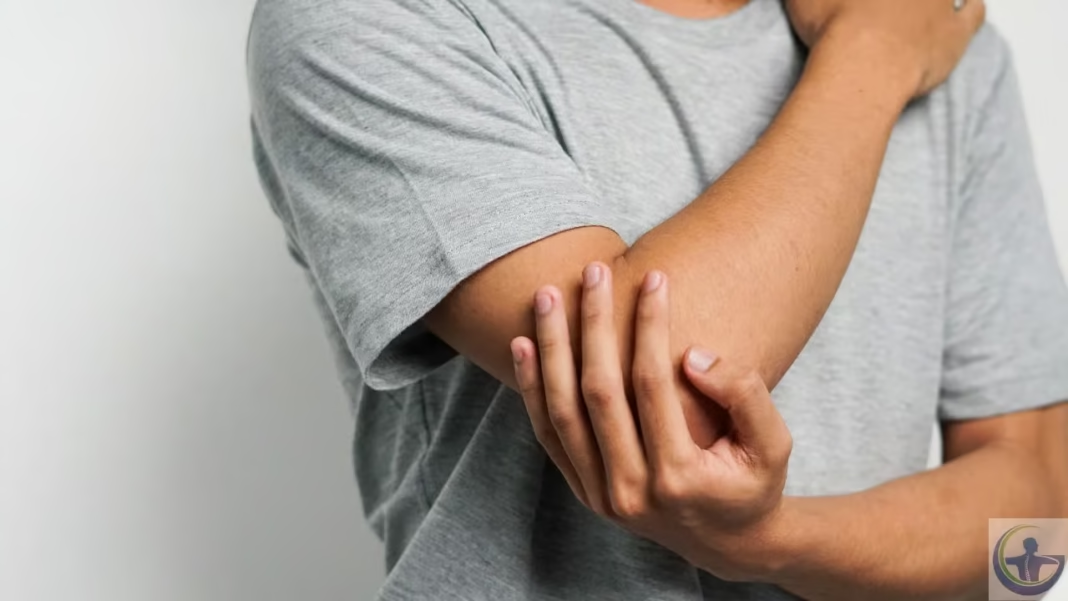

Athletes, both professional and recreational, often experience aches and pains. Arm pain, in particular, is a common issue that can arise from various sports activities. Understanding the link between your physical activities and any discomfort you feel is the first step toward addressing the problem. This discomfort can range from a dull ache to sharp pain, affecting performance and daily life. Recognizing the source and nature of the pain helps in managing it effectively.
What Causes Arm Pain?
Arm pain from sports often stems from the repetitive motions required by the activity. Throwing, swinging, and lifting can place significant strain on the muscles, tendons, and ligaments of the arm. This strain may lead to inflammation, small tears, or other forms of damage over time, and sudden, forceful movement can also cause an acute injury, resulting in immediate pain.
Many different types of injuries affect the arm. Some common ones related to sports include:
- Tendonitis
- Sprains
- Strains
- Fractures
- Dislocations
These conditions can affect any part of the arm, from the shoulder and elbow to the wrist and hand. The specific location of the pain often provides clues about the underlying cause. Each activity places unique demands on the body, leading to characteristic injury patterns.
How Does Overuse Contribute To Pain?
Overuse is a frequent cause of arm pain in athletes. When you perform the same motion repeatedly, you can fatigue the muscles and tendons in your arm. This repetitive stress leads to micro-trauma, which is small-scale damage to the tissue. Without adequate rest and recovery, this damage accumulates, causing inflammation and pain.
Think of your muscles and tendons like a rope that frays with repeated use. Sports like tennis, baseball, and swimming involve continuous arm movements that can wear down these tissues. The body’s natural repair processes may not keep up with the rate of damage, leading to a chronic state of irritation. This is why rest days and proper technique are so fundamental for injury prevention.
Which Symptoms Signal Damage?
Certain symptoms can indicate that your arm pain may be related to a sports injury. Paying attention to what your body is telling you can help you identify a problem early. These signs vary in intensity and may develop gradually or appear suddenly after a specific incident.
Recognizing these symptoms can guide you in determining your next steps. Common indicators of an arm injury include:
- Pain that worsens with activity
- Stiffness or a limited range of motion
- Swelling or visible bruising
- A feeling of weakness in the arm or hand
- A popping or clicking sound during movement
If you notice any of these signs, it could point to damage that requires attention. Persistent symptoms, even if they seem minor, are worth monitoring closely. Ignoring them might lead to a more significant issue later.
Consult a Specialist
Dealing with persistent arm pain can be challenging, especially when it interferes with your activities. If your discomfort does not improve with rest or home care, seeking professional guidance is a logical next step. A specialist can help identify the cause of your pain and provide a clear path forward. They have the knowledge to assess your specific situation and recommend appropriate actions. To get started, schedule a consultation to discuss your symptoms and get a thorough evaluation.