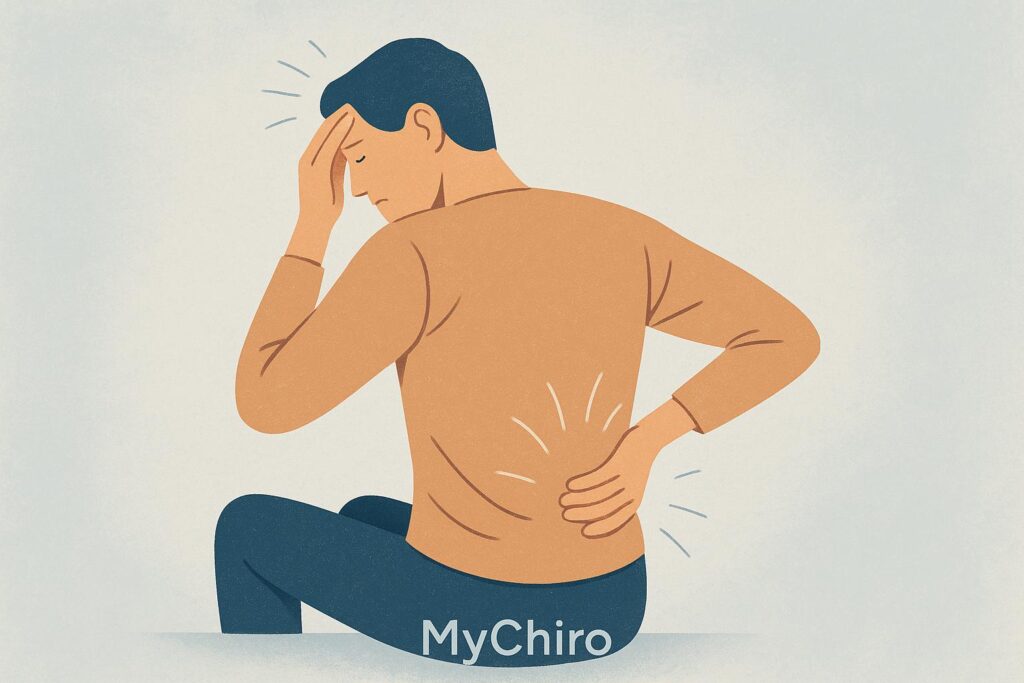

Back pain is a common health concern that affects daily function, productivity, and overall well-being. It is closely linked to mental health factors such as stress, anxiety, and depression, which can influence symptom intensity and recovery. Here’s more information on the connection between back pain and mental health:
How Does Pain Affect Emotions?
Chronic back pain does more than limit movement; it significantly disrupts a person’s daily routine and well-being. When pain persists for an extended period, it often forces individuals to withdraw from social activities, work responsibilities, and hobbies they once enjoyed. This can lead to feelings of loneliness and frustration, leading to emotional distress.
The persistent presence of physical discomfort often disrupts sleep patterns, preventing the body from obtaining the rest it needs to heal. Sleep deprivation lowers a person’s tolerance for stress, making them more susceptible to irritability and mood swings. The cumulative effect of these lifestyle changes creates a significant mental burden.
How Does Mental Health Worsen Pain?
Psychological factors play a key role in how the body processes and reacts to physical sensations. Several mental health conditions can intensify the experience of back pain through physiological and neurological mechanisms. Here are some of them:
- Stress: High levels of stress trigger the release of cortisol, which causes muscle tension and increases strain on the spine.
- Anxiety: Individuals with anxiety often experience hypersensitivity to bodily sensations, making pain signals feel more severe or alarming.
- Depression: This condition involves chemical imbalances in the brain that deplete neurotransmitters like serotonin and norepinephrine, which help the body moderate pain.
- Catastrophizing: A cognitive pattern in which a person fixates on pain and anticipates the worst possible outcome, thereby heightening the perception of suffering.
These factors demonstrate that the mind can influence the intensity and duration of physical symptoms.
What Links Pain and Emotions?
The connection between physical sensation and emotional state creates a cycle known as the mind-body loop. Pain signals originate in the back, travel through the nervous system, and are processed by the brain. The brain does not interpret these signals in isolation; it filters them through the patient’s current emotional state. If the brain is already under significant stress or emotional duress, it may amplify the pain signals, perceiving them as more intense. This creates a biological feedback loop in which pain causes emotional distress, and that distress, in turn, worsens the pain.
What Treatments Address Both?
Treating the complex interaction between back pain and mental health often requires a multidisciplinary strategy. Here are integrated approaches that address both physical and psychological aspects of pain:
- Cognitive Behavioral Therapy (CBT): This psychological treatment helps patients identify negative thought patterns regarding their pain and develop healthier coping mechanisms.
- Physical Therapy and Exercise: Guided movement strengthens the muscles supporting the spine, while physical activity naturally releases endorphins that improve mood.
- Medication Management: Physicians may prescribe medications that address both inflammation and the chemical imbalances associated with depression or anxiety.
- Mindfulness and Relaxation Techniques: Practices such as deep breathing effectively reduce physical tension and lower overall stress levels.
Combining these therapies makes sure that the patient addresses the condition from all angles.
Book Your Back Pain Appointment
The relationship between back pain and mental health is intricate and bidirectional. Ignoring the psychological components of physical pain can lead to incomplete treatment and prolonged suffering. A comprehensive approach that integrates physical rehabilitation with mental health support offers the best chance for improvement. For persistent back discomfort, contact a qualified orthopedic specialist near you to book your appointment today.